

Blogs
Living in the Australian bush
with the plants and wildlife
Search for a blog
Letter from Istari - 2026
Check out what is in our new website.
Also find out what has been happening over the last few years. Cane toads have arrived.
We are now using iNaturalist to record and identify species.
Find out what we have been doing for the last few years.
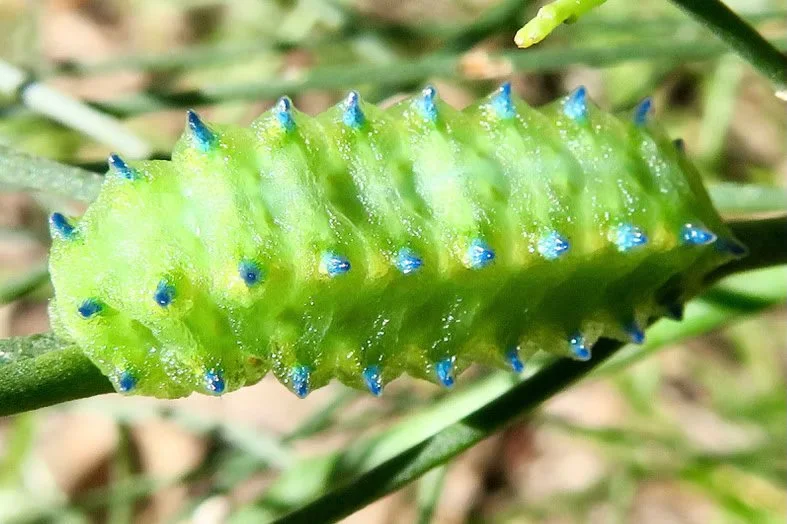
Solved: The mystery of an unknown caterpillar …….
The unknown caterpillar is revealed after a two year mission - The story of the Wattle Cup Moth (Calcarifera ordinata)
Letter from Istari - Summer 2022-23
Summer of 2022-23 starts off dry. See the wetland dry up in a great little video of the last pond of water plus lots more including
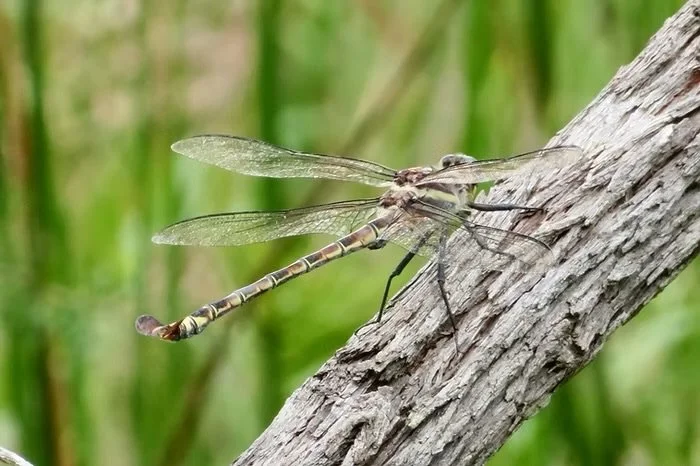
Giant Dragonfly
Cane toads are back
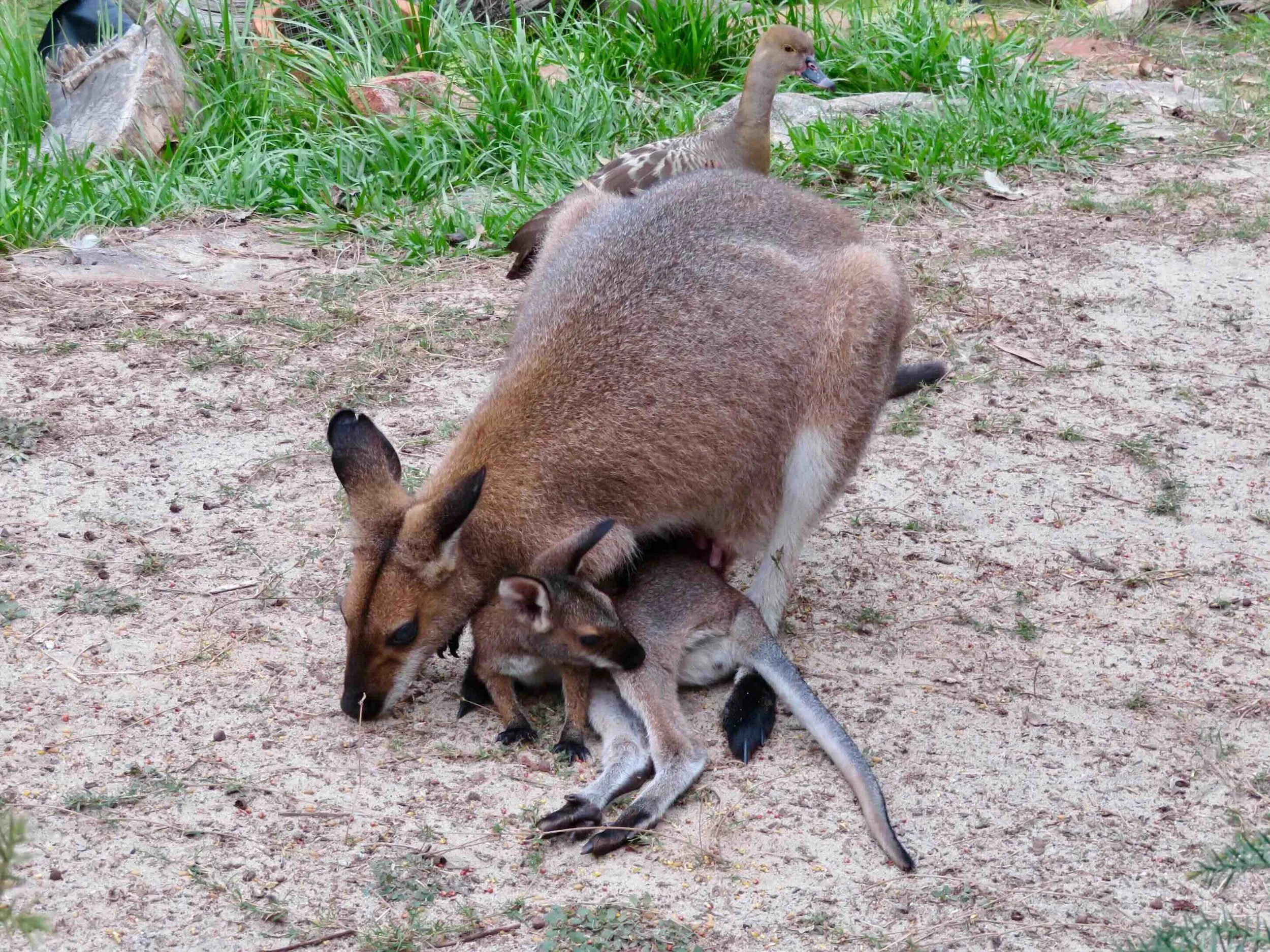
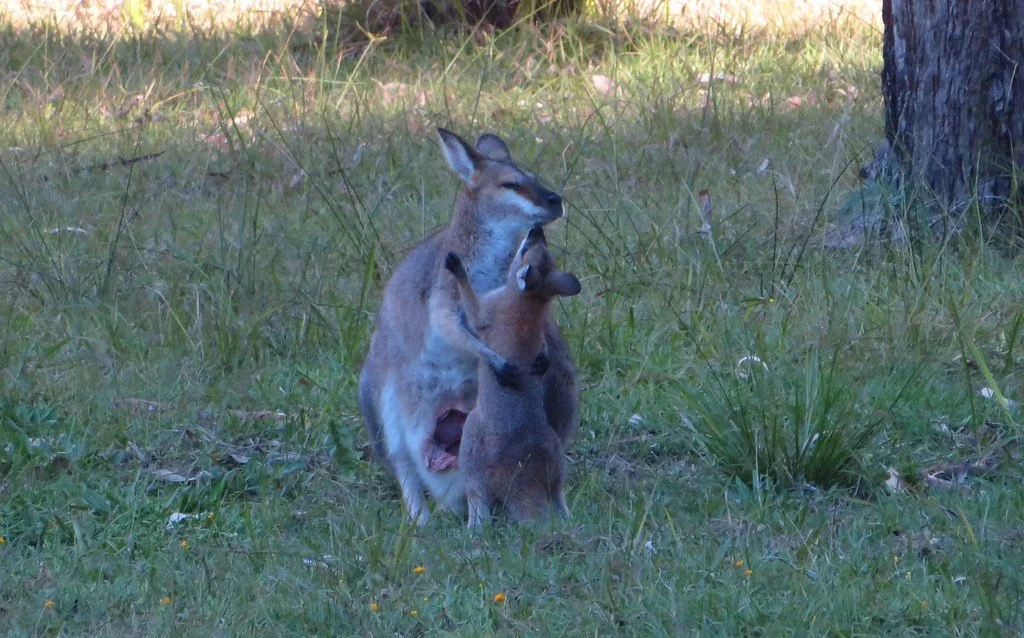
The latest red-necked wallaby joeys
It is summer so the snakes are active
check out the stunning Mountain katydid
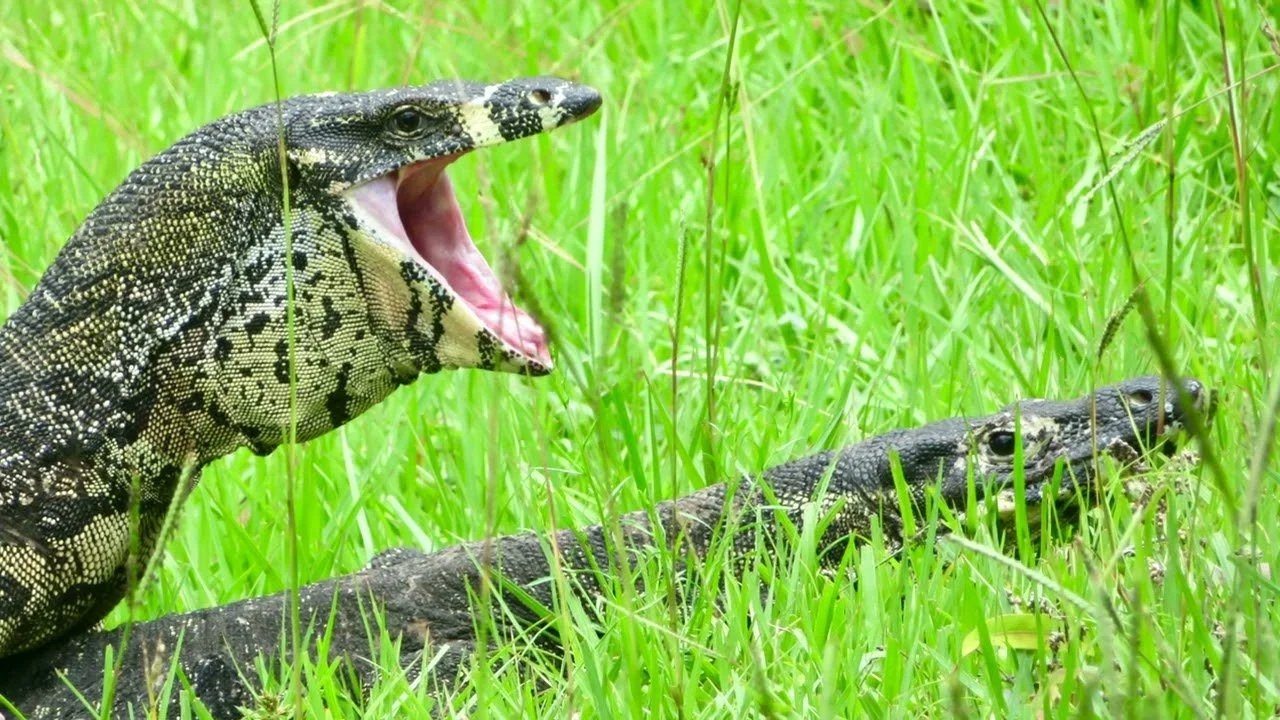
Watch the goannas mating
and lots more
Istari 2023
We have created a short video of Istari for the new year. Enjoy a few minutes with the plants and animals of Istari here in the Clarence Valley. Turn your sound up and listen to the bush.
Letter from Istari - December 2022
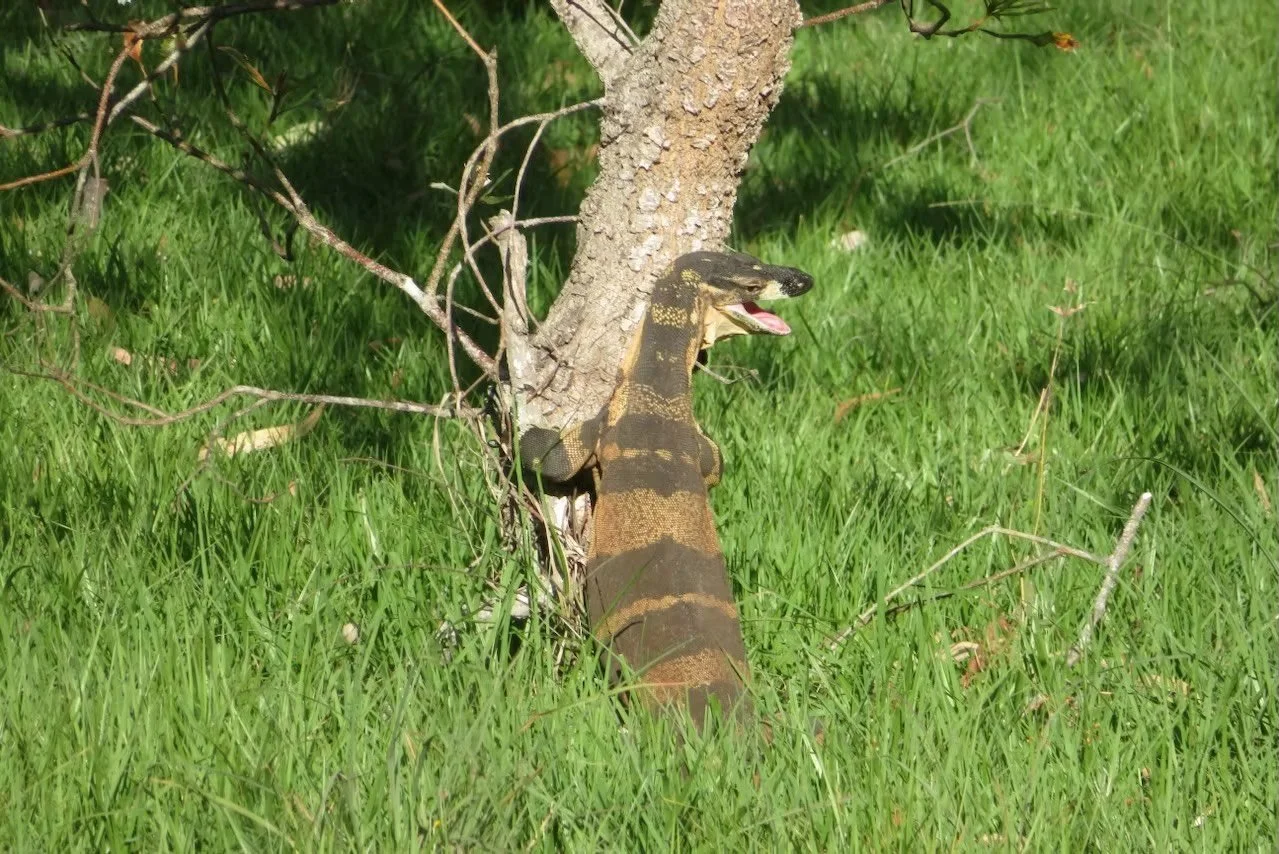
It is the start of summer in 2022 so it is December. The goannas are out including the stunning bells phase. The bandicoots are very active. We caught on camera the short eared possum and a Melomys. What is a melomys?
Lots of plants are flowering including the egg and bacon, eijllow hakea and the vine Travellers Joy. The hatpins are out around the wetland.
Letter from Istari - May 2022
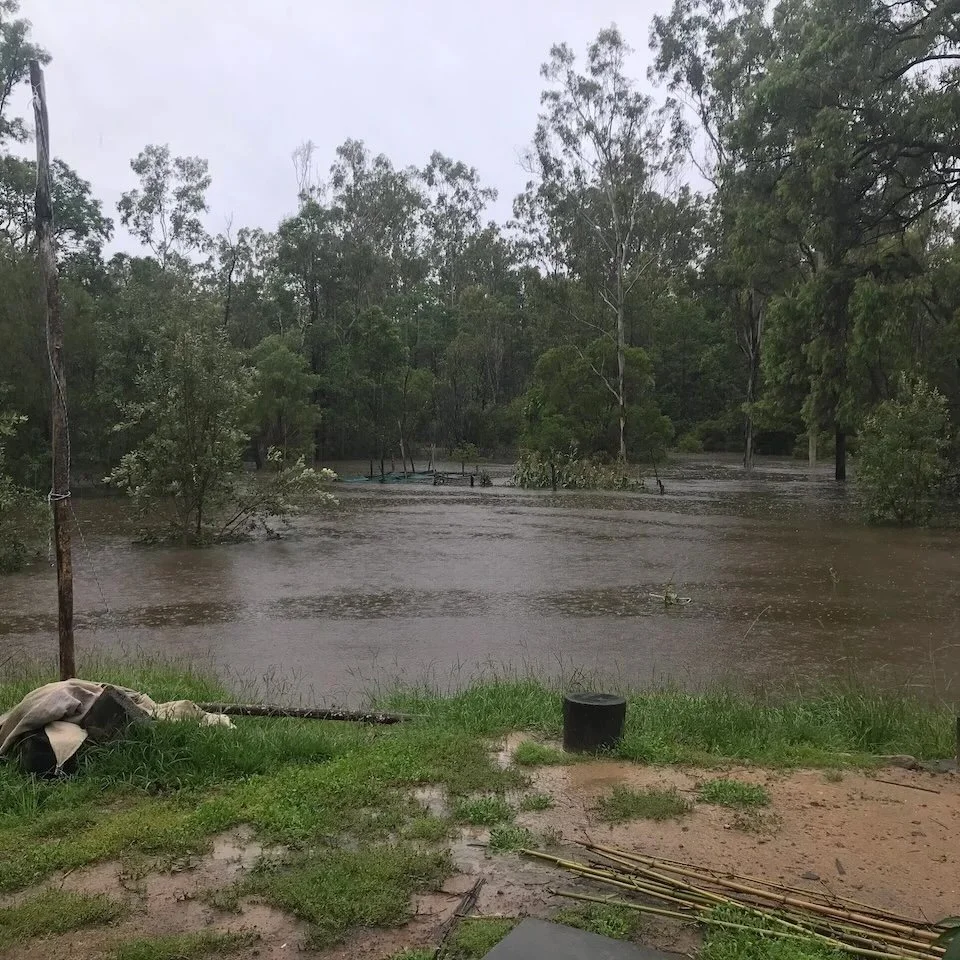
This summer was the summer of floods. We had three floods with the biggest almost reaching the house.
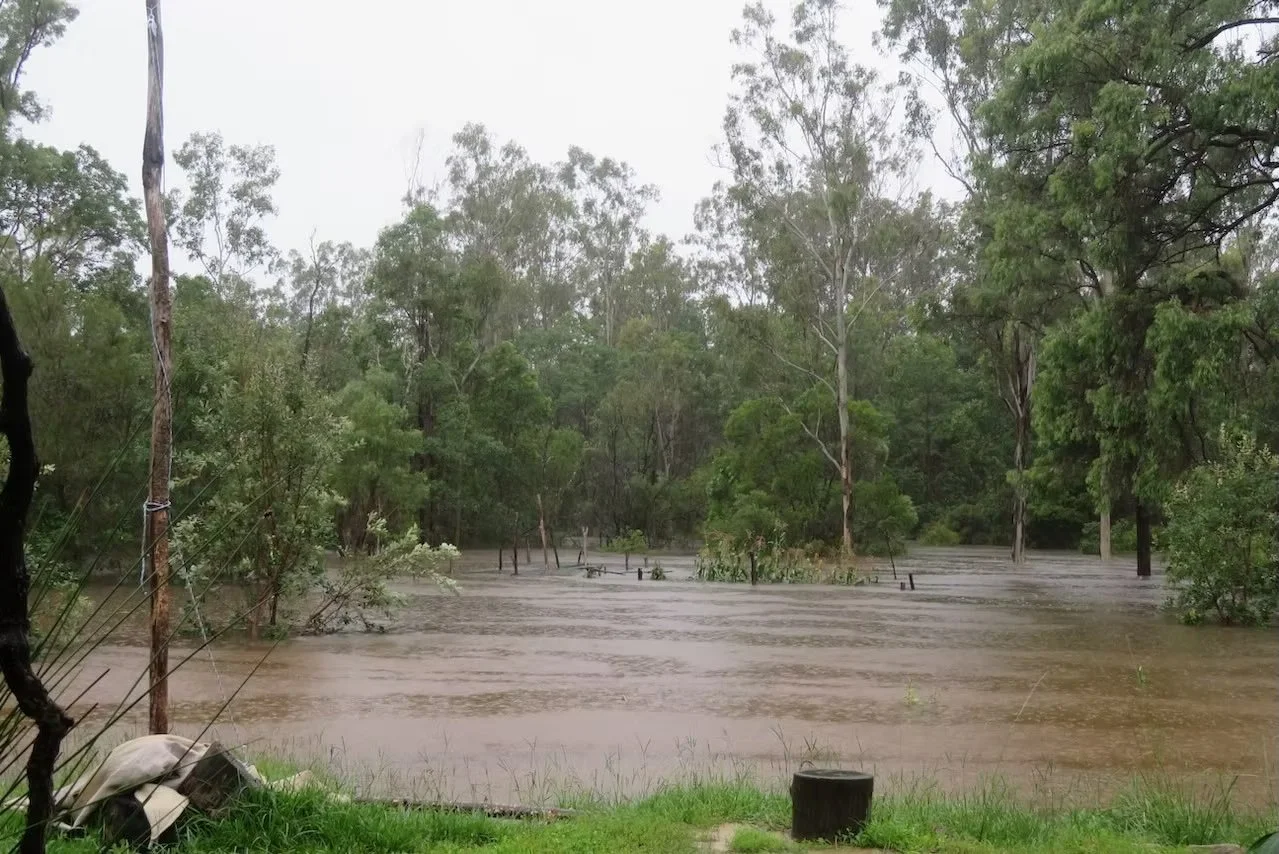
The Floods of 2022
The ground was already wet from record high summer rains. December and January delivered 404mm of rain here. The earth was saturated …
The floods started …
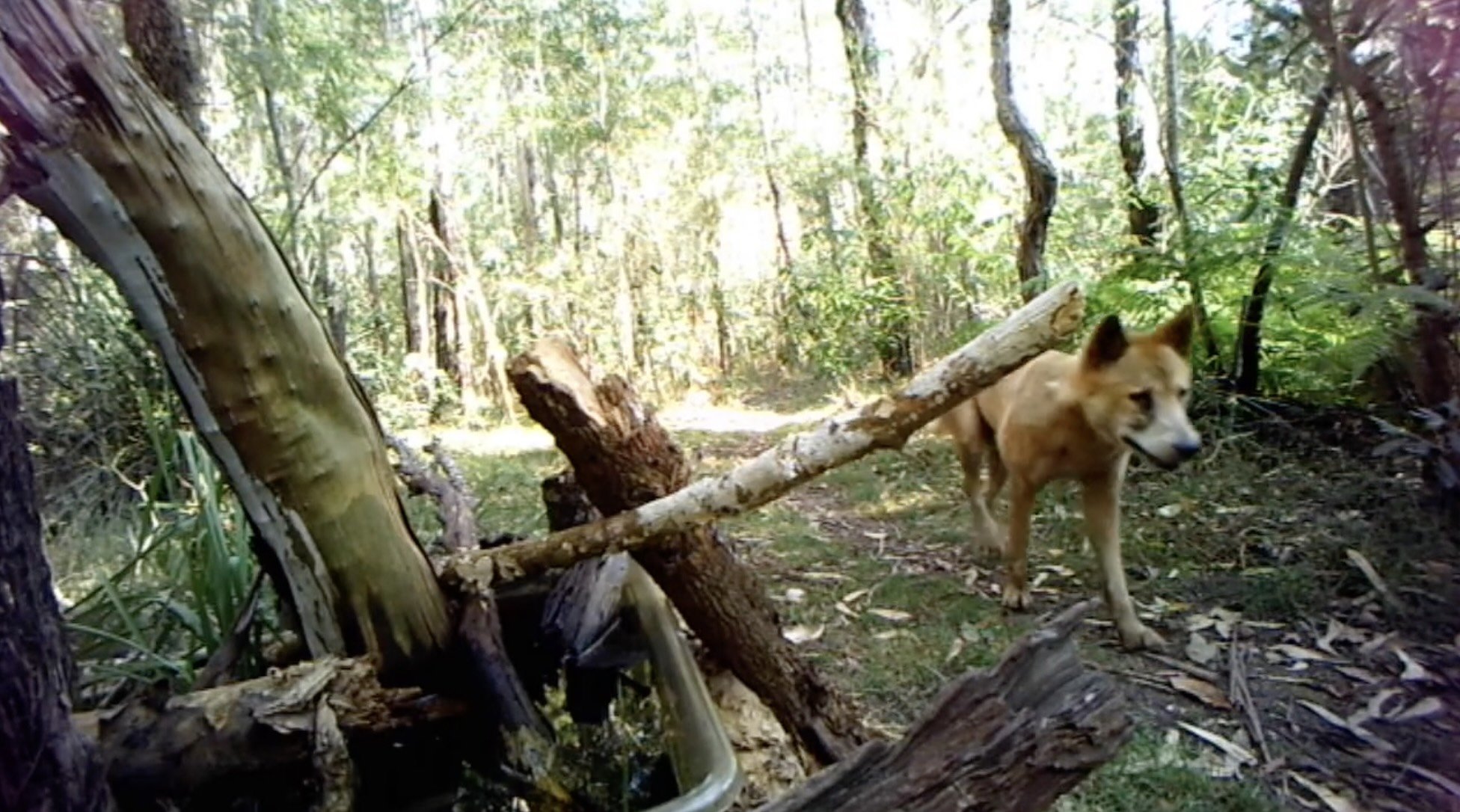
Dingo (Canis familiaris)
We saw the dingo (Canis familiaris) from our wildlife camera. He sauntered along the path we had made through the bush.
Dingos are an apex predator in the Australian bush.
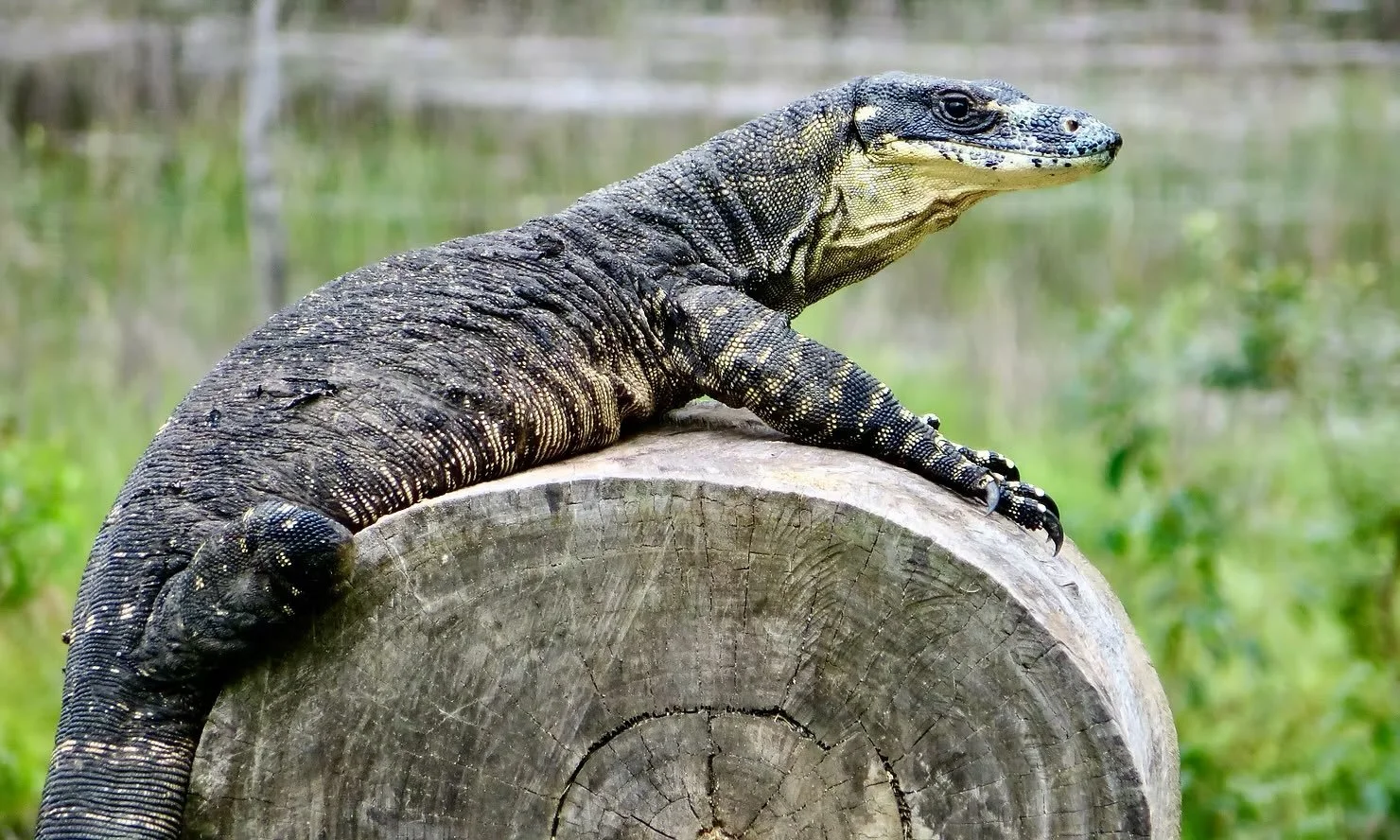
We call her Jac …
Jac is our wonderful goanna with three legs. She has been around Istari since the 1990s.
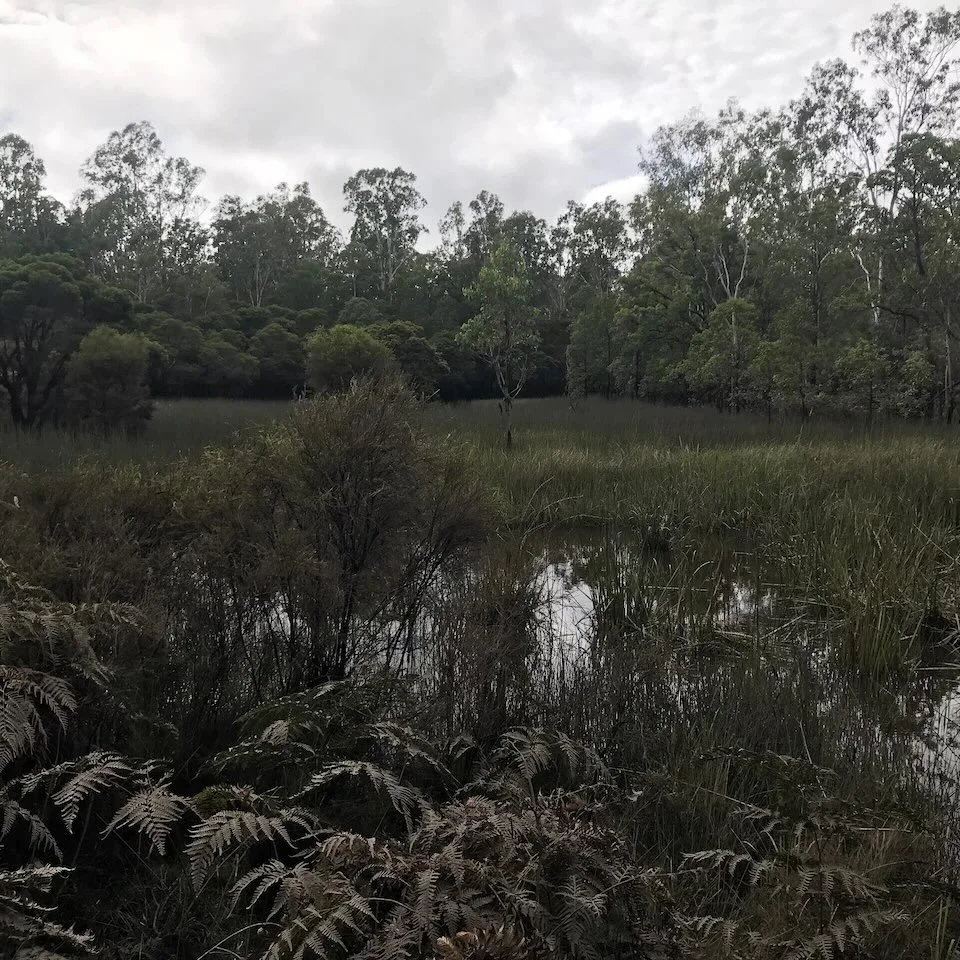
Mini flood becomes the biggest biggerly flood, most tremendous flood ever.....
After a summer of rain it ended with the biggest flood we have ever seen.
See how the days unfolded as the big flood nearly entered the house.
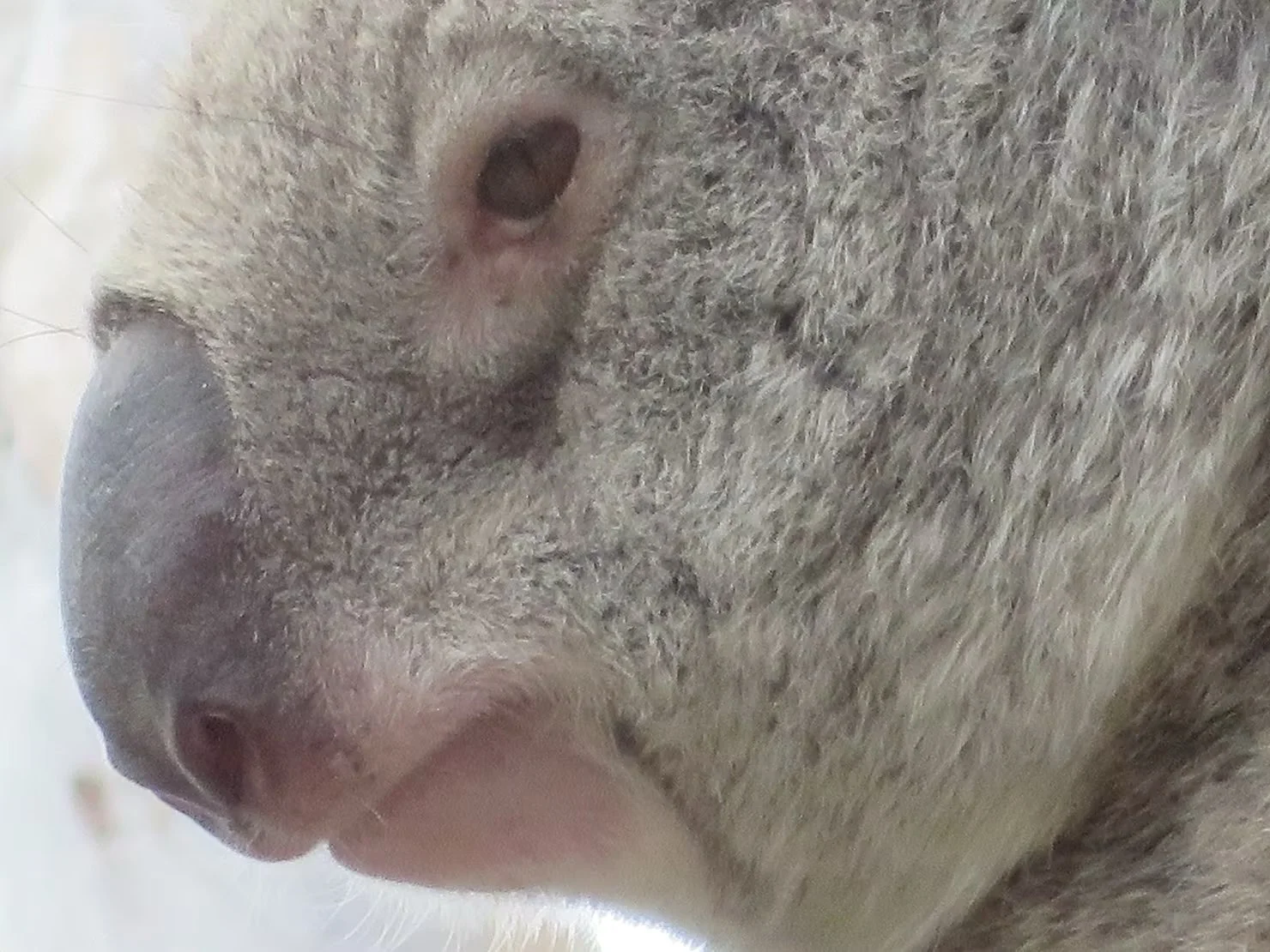
Koala
Koala (Phascolarctos cinereus) is an iconic Australian marsupial.
Unlike its closest living relative, the wombat, the koala is tree dwelling. It is most active at night, sleeping during the day, leading to the false belief that the animal is lazy, just hanging around during the day sleeping.
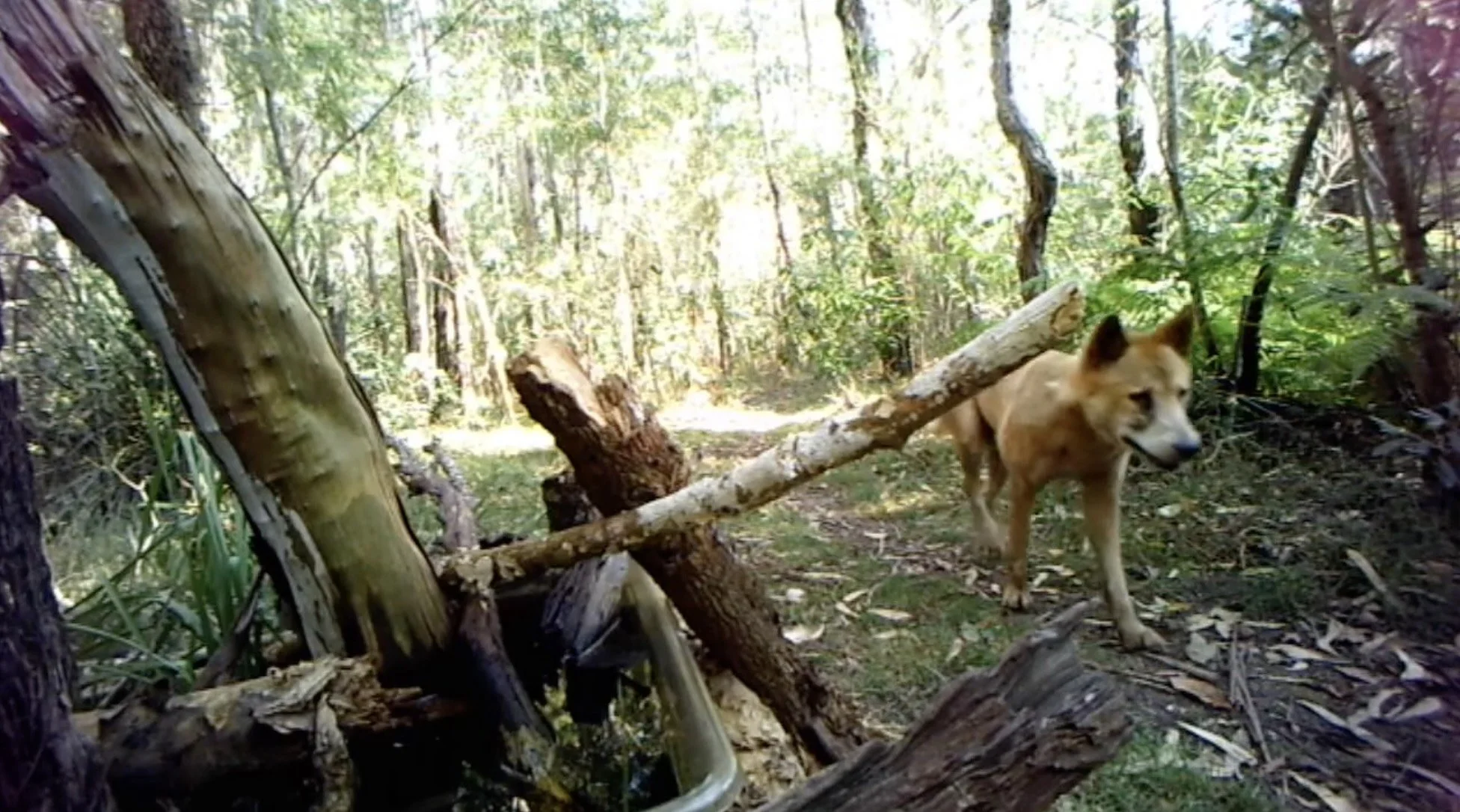
Dingo weeds and flowers
This Letter from Istari includes a sighting of a dingo on our wildlife camera, how the dingo suddenly made an impact on our chickens which resulted in the construction of a dog proof chicken fence.
When we aren’t constructing new chicken runs we also attach the weeds and check on a koala who has been here for weeks.
Also check out what is flowering in January and our stunning photographs.
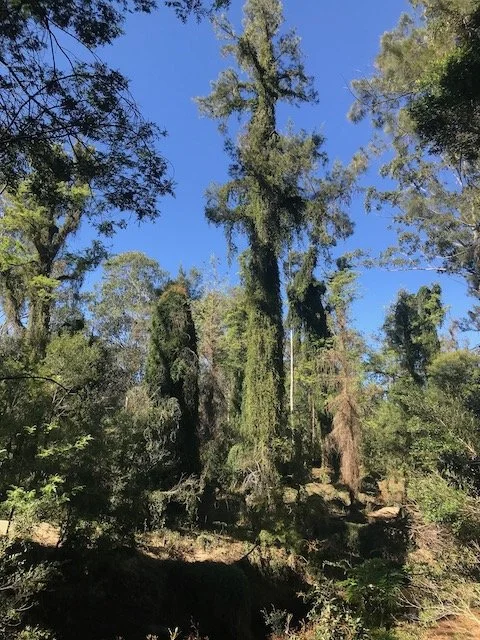
Killing Cats Claw
The Australian bush is under constant threat of invastion from weeds of all types. There are a number on Istari including camphor laurel, moth vine, mist flower, crofton weed, lantana, mickey mouse plant, senna and cats claw creeper vine to name a few. It is a long list!
Cats claw (Dolichandra unguis-cati) is one of the worst of the environmental weeds found in this region. It gets its name from the claw like tendril which attaches to the host vegetation, enabling it to climb and run up the trees.
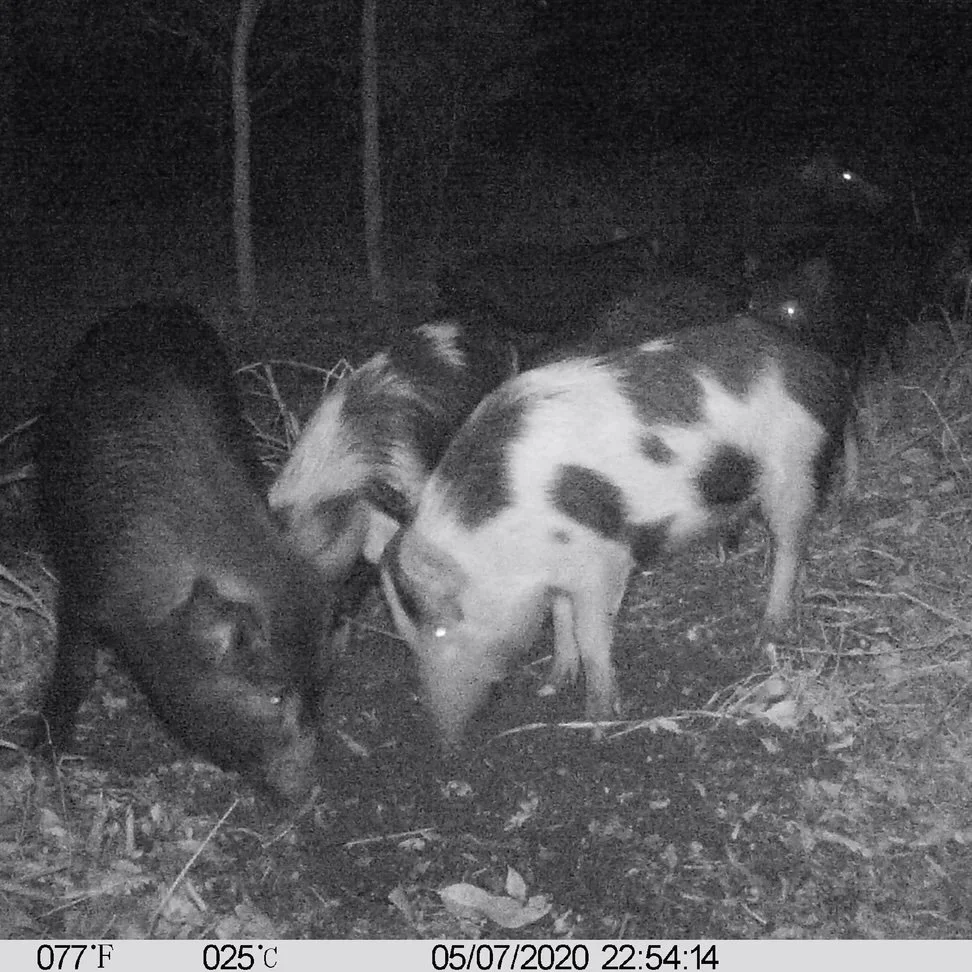
Feral Pig Baiting Program
One of the most important tasks for land holders looking after the bush is to remove and control weeds and pest animals. Our two biggest problems are cats claw creeper vine, which covers trees until it kills them, and feral pigs. Feral pigs are opportunistic omnivores and will consume animal material including small mammals, birds, reptiles, frogs, crayfish, eggs, and carrion; earthworms and other invertebrates; underground fungi; and all parts of plants including the fruit, seeds, roots, tubers, bulbs and foliage. Feral pigs spread disease.
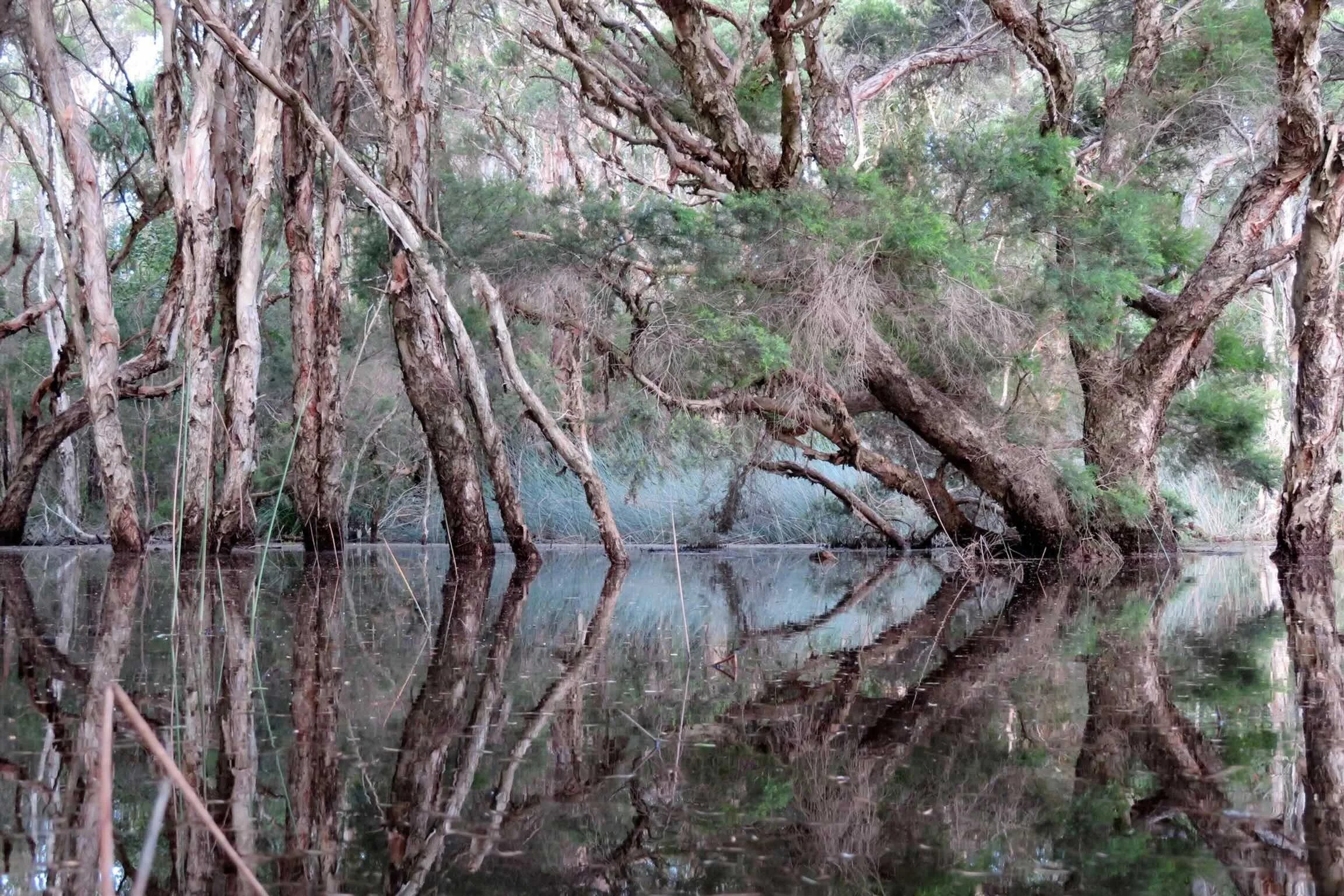
Floods, Snakes and Micro Bats
The rain finally began to fall in December. A little at first leading to great excitement when we had 8mm overnight. November only registered 9mm so 8mm in one day was really something to get excited about. The earth was dry after so little rain for so long.The rain finally began to fall in December. A little at first leading to great excitement when we had 8mm overnight. November only registered 9mm so 8mm in one day was really something to get excited about. The earth was dry after so little rain for so long.
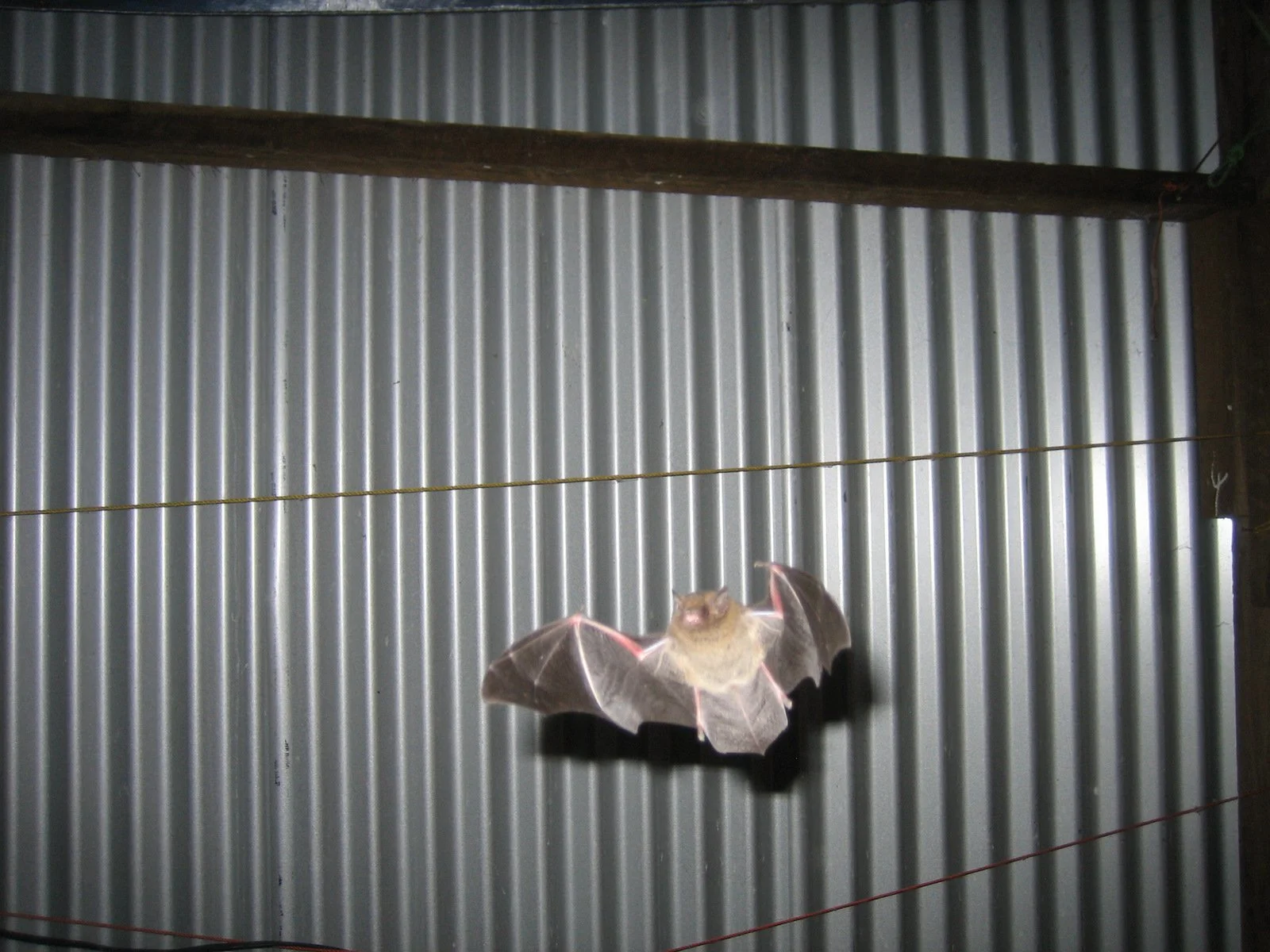
Micro Bats
Bats can be divided into two main groups, micro bats and mega bats.
Mega bats, like flying foxes, are the bats we often see flying off to feed at dusk or hear them feeding on blossoms or fruit at night. They are relatively large, thus the mega in mega bat.
Micro bats are much more illusive. They are small, some only as big as your little finger and mostly roost in caves or sometimes behind bark out of sight.
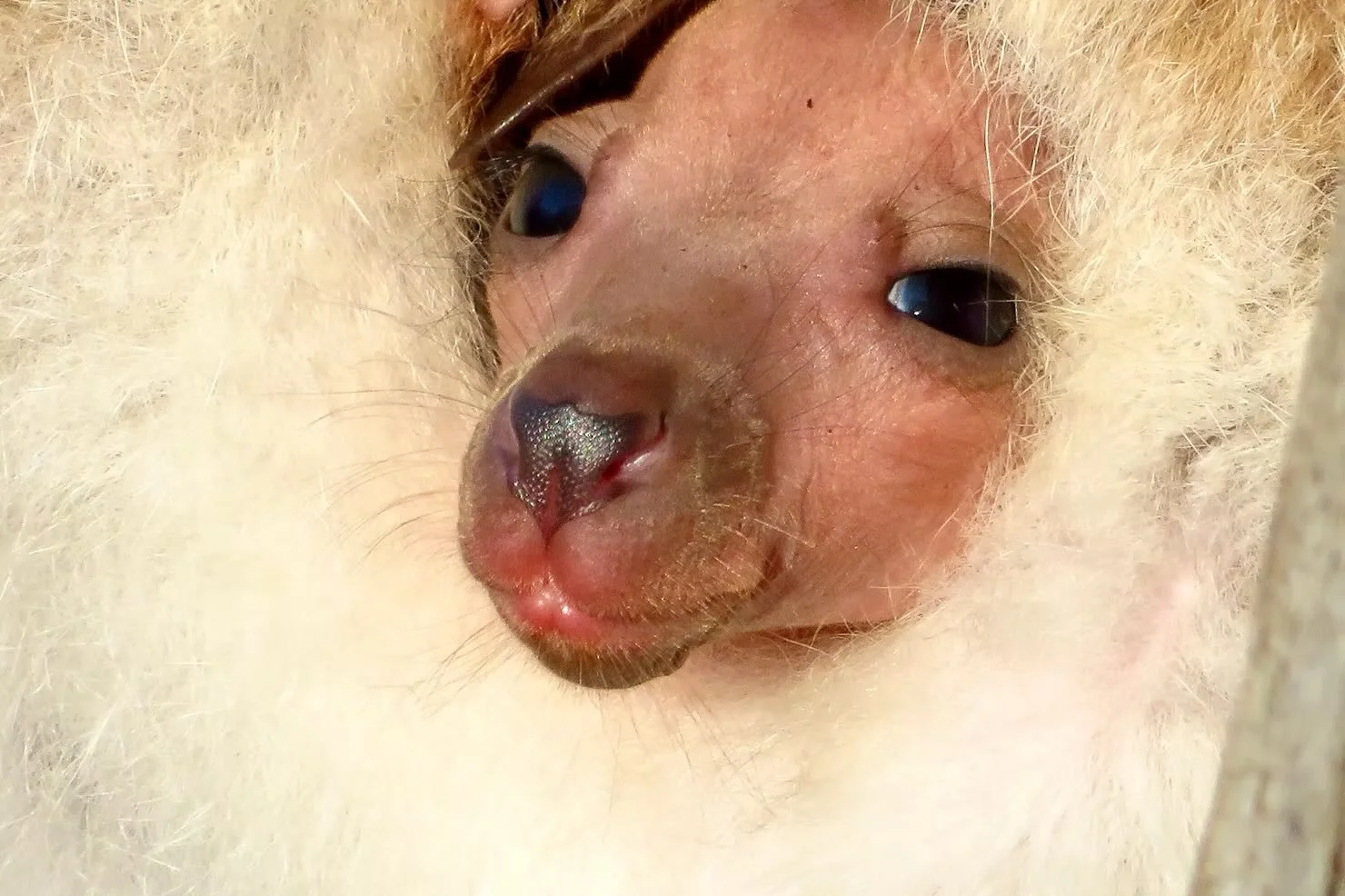
Jack, Jill, Joey and Winter Friends
Winter and the bush. Featuring our beautiful red-necked wallabies. A new joey pokes its head out of the pouch for the first time and the big bucks are fighting.
Magpies are active and we saw a koala.
The ground orchids are flowering and some of the grass trees are flowering.
Autumn Ducklings and other Regulars
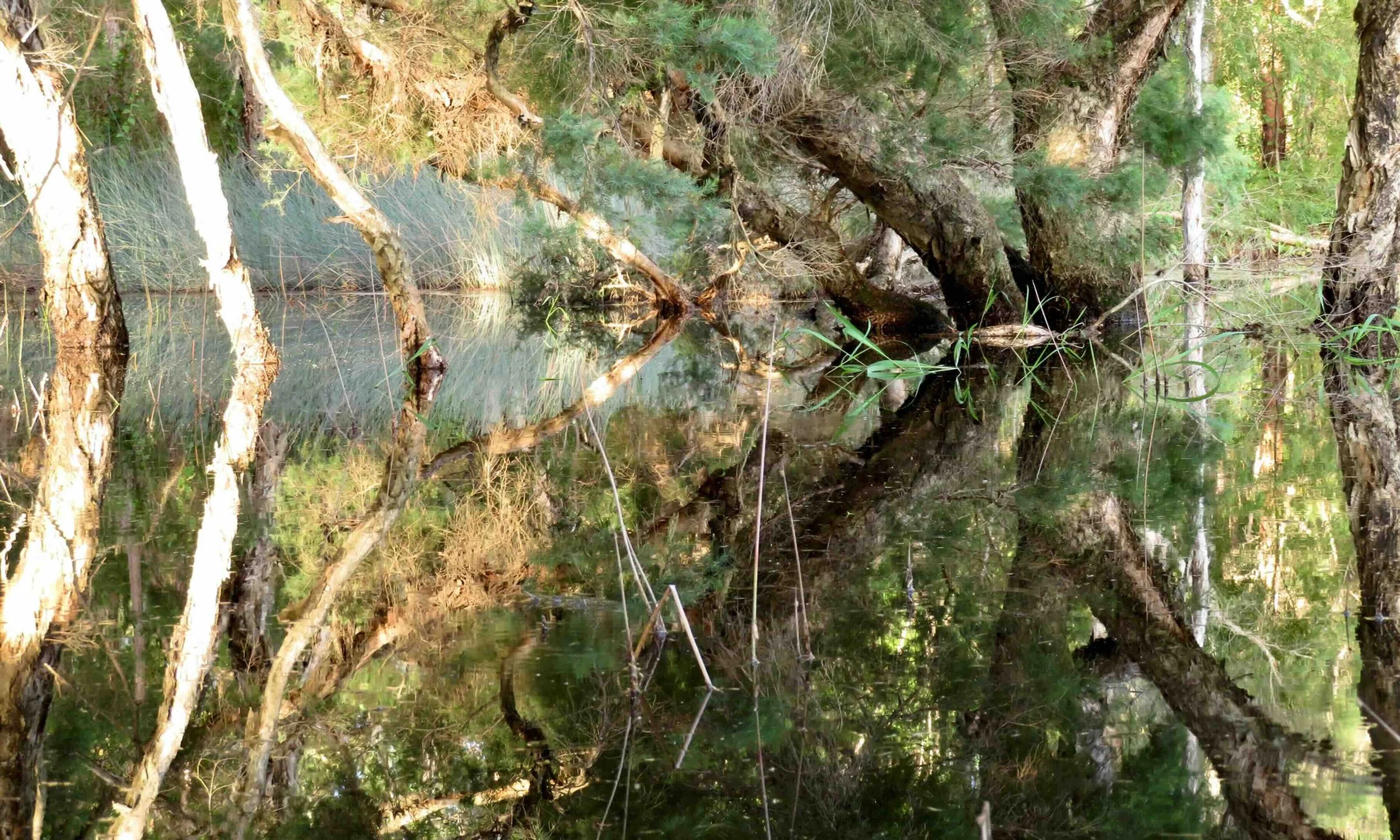
Autumn is my favourite season. The days are clear and sunny with temperatures in the mid twenties. Everything is green after the summer rain. The streams are still running well. The wetland filled, overflowed and gradually diminished until it stranded thousands of fish and other water creatures.