

Blogs
Living in the Australian bush
with the plants and wildlife
Search for a blog
Dingo (Canis familiaris)
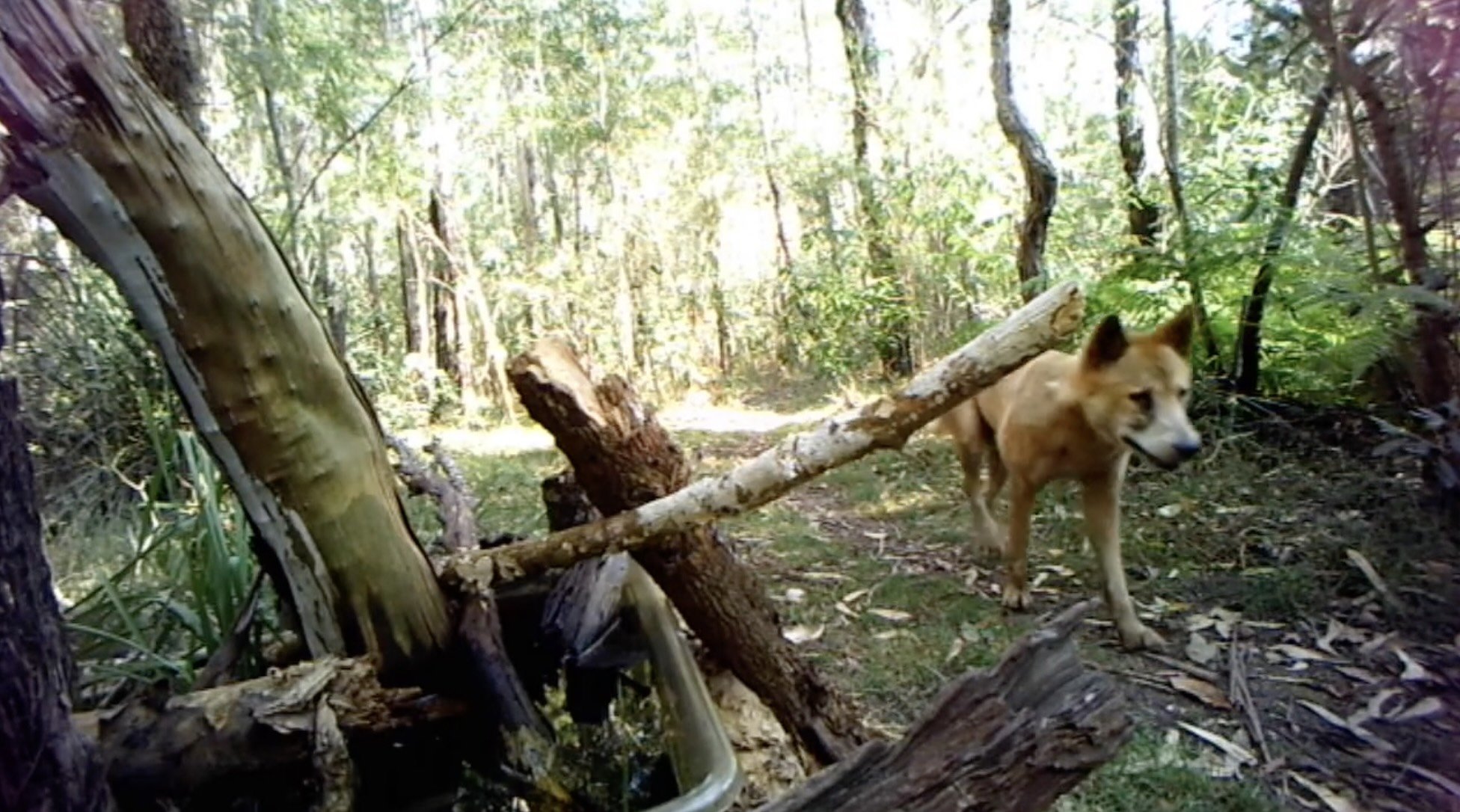
We saw the dingo (Canis familiaris) from our wildlife camera. He sauntered along the path we had made through the bush.
Dingos are an apex predator in the Australian bush.
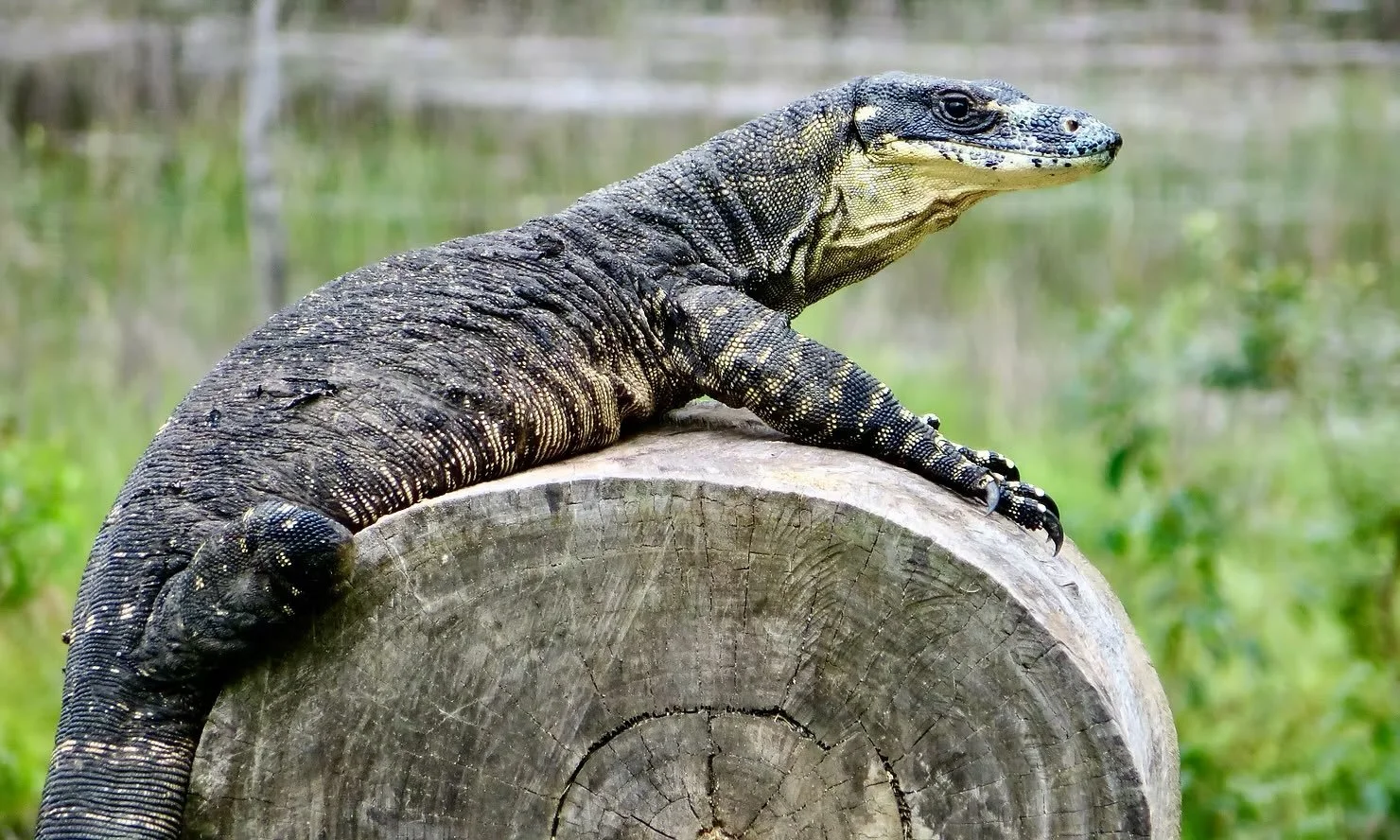
We call her Jac …
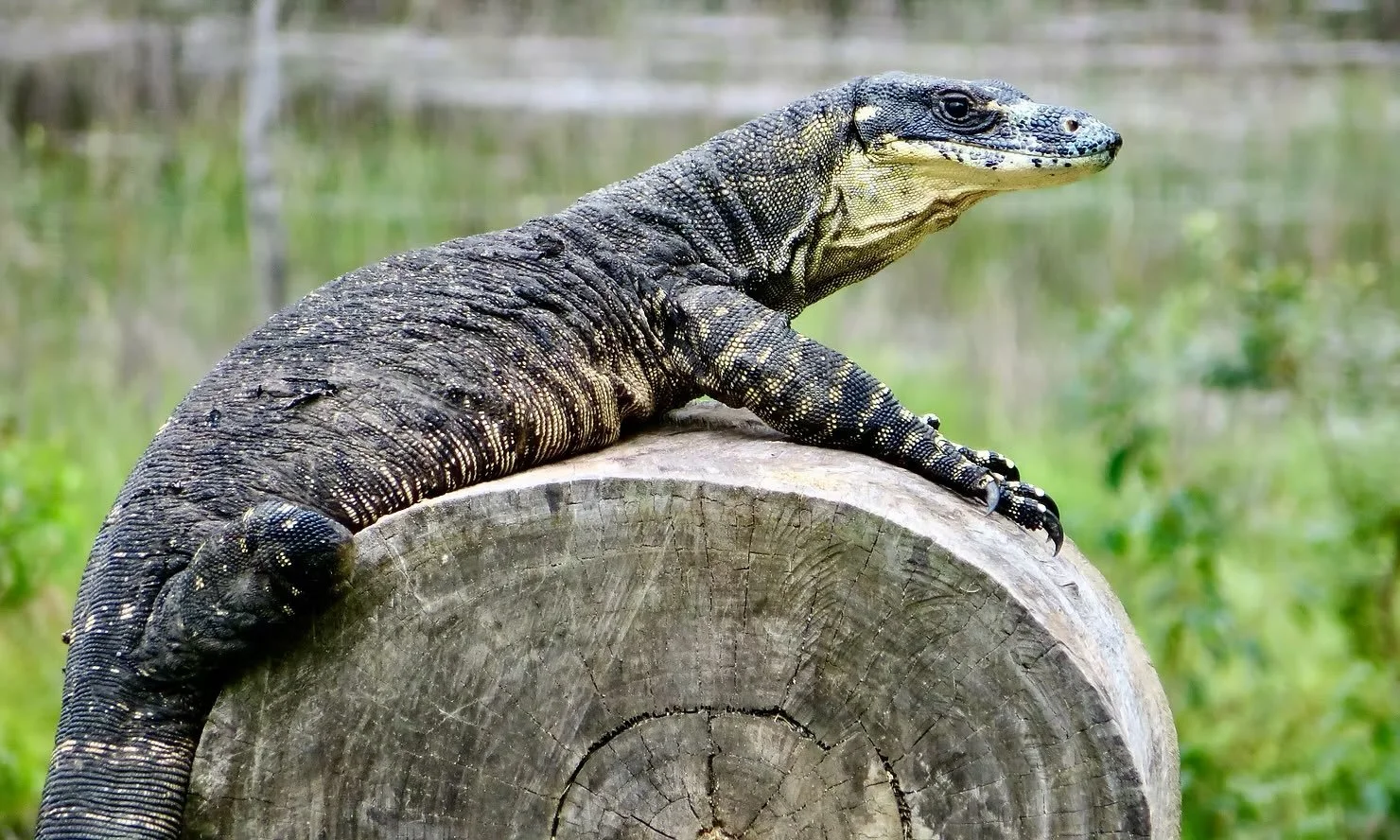
Jac is our wonderful goanna with three legs. She has been around Istari since the 1990s.
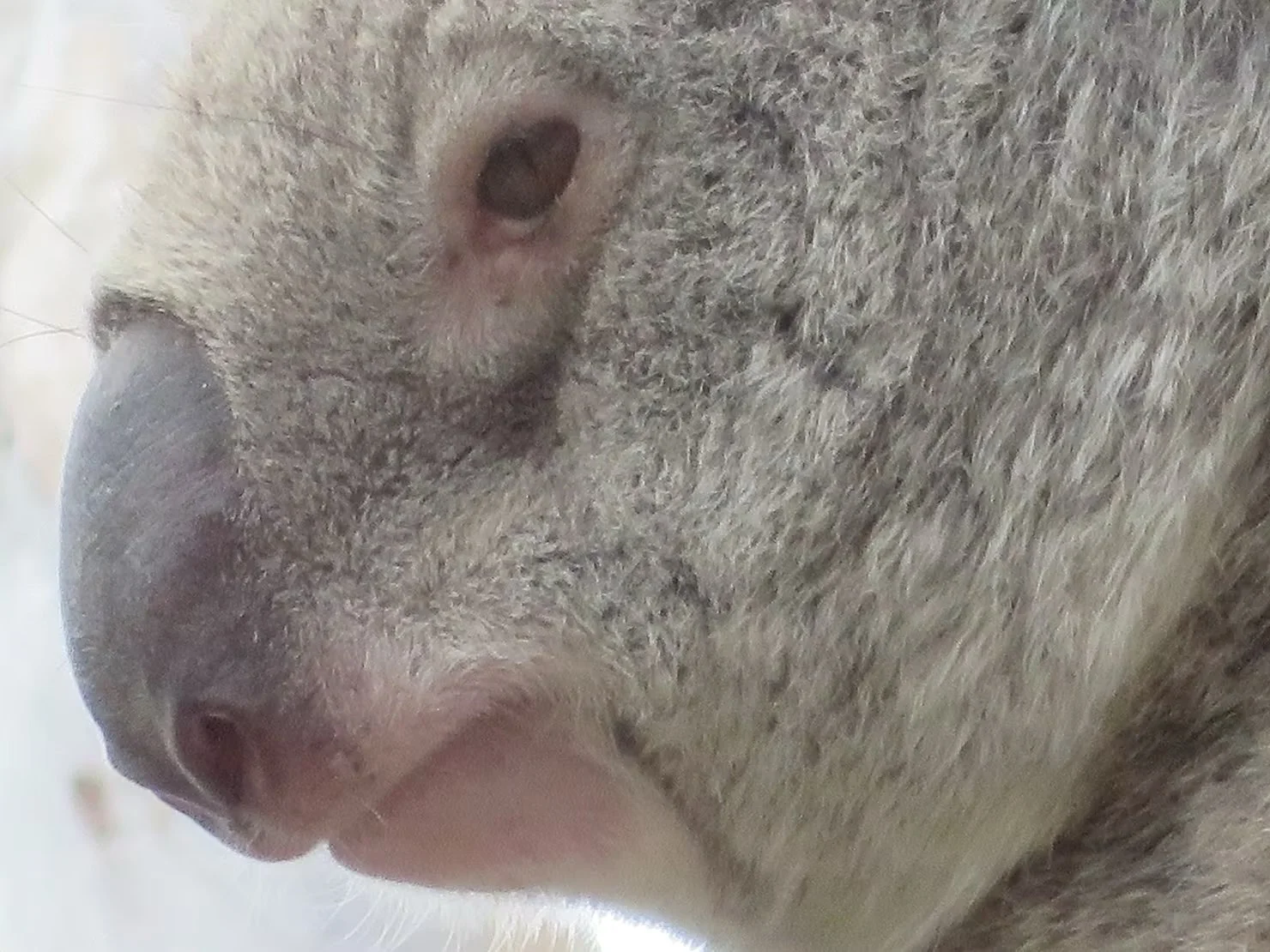
Koala
Koala (Phascolarctos cinereus) is an iconic Australian marsupial.
Unlike its closest living relative, the wombat, the koala is tree dwelling. It is most active at night, sleeping during the day, leading to the false belief that the animal is lazy, just hanging around during the day sleeping.
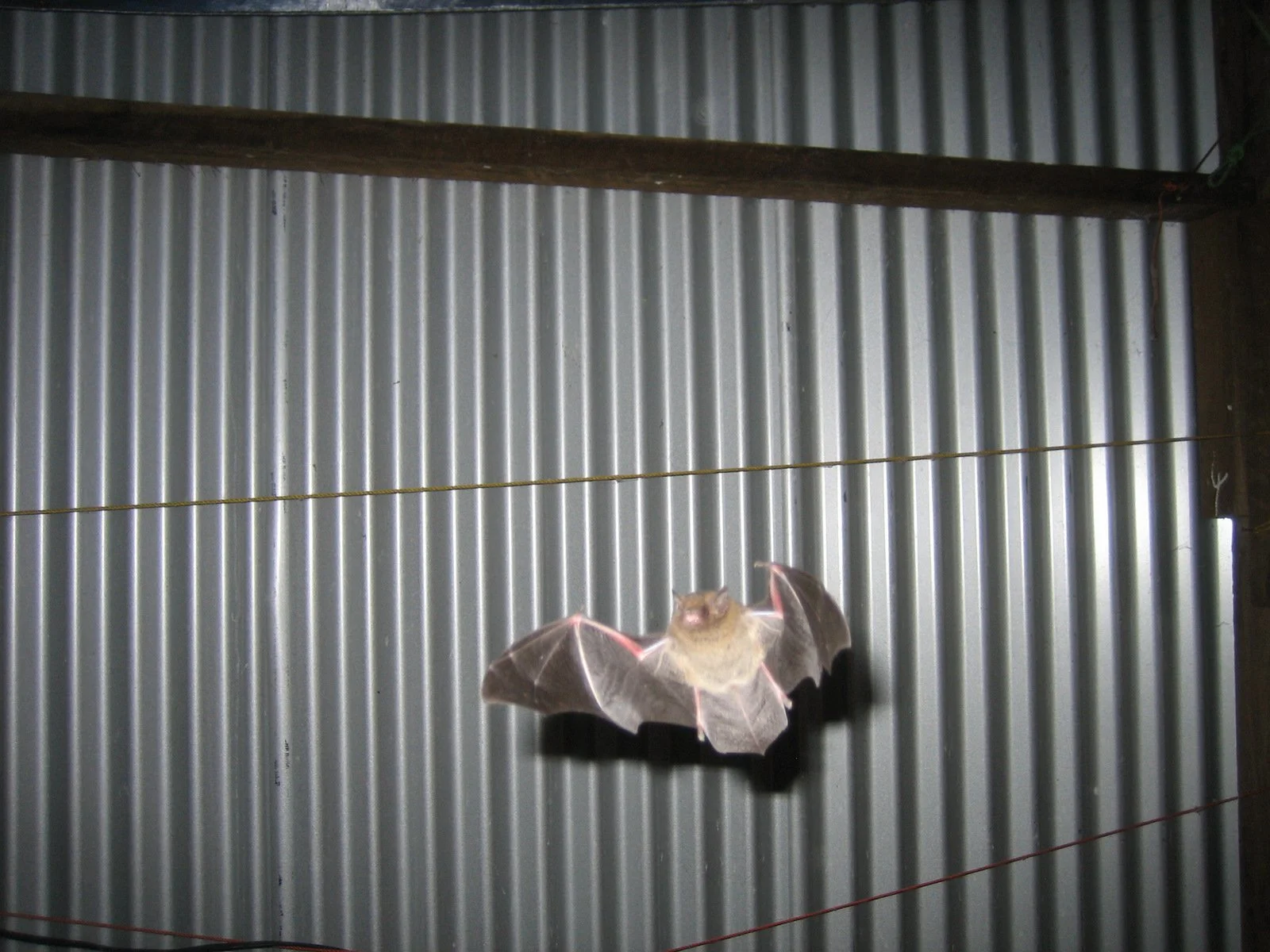
Micro Bats
Bats can be divided into two main groups, micro bats and mega bats.
Mega bats, like flying foxes, are the bats we often see flying off to feed at dusk or hear them feeding on blossoms or fruit at night. They are relatively large, thus the mega in mega bat.
Micro bats are much more illusive. They are small, some only as big as your little finger and mostly roost in caves or sometimes behind bark out of sight.
Wildlife Magic
One of the many magic things about living in the bush is the wildlife. It is a privilege to have them so close and living their life in front of us.
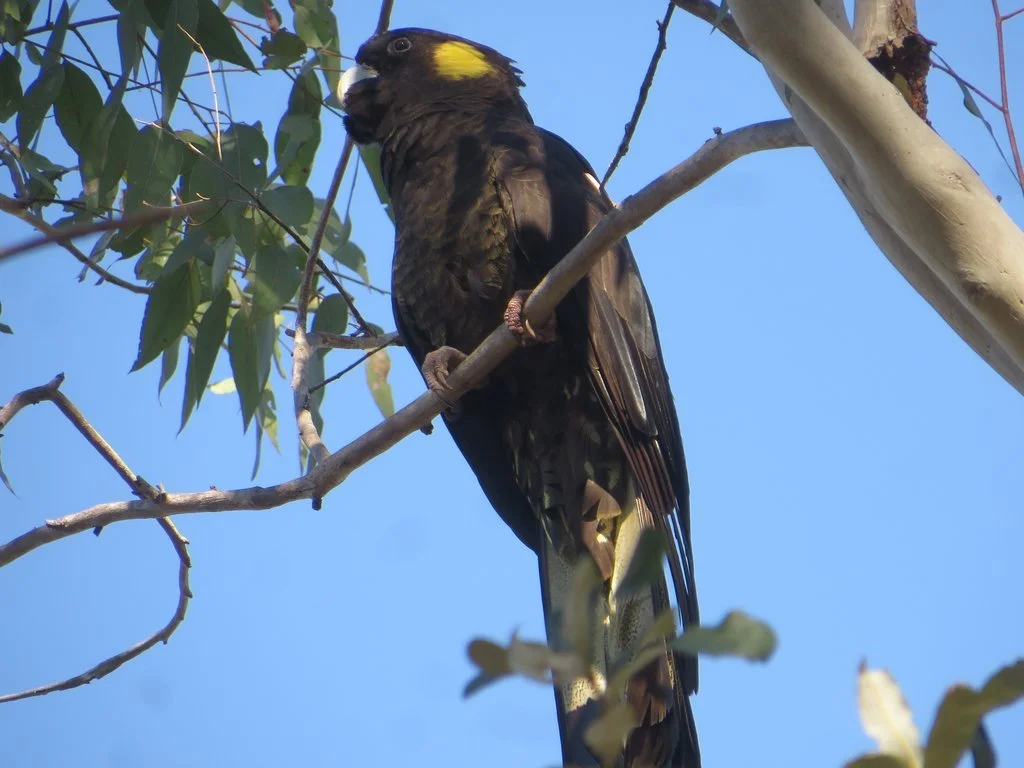
Yellow-tailed black cockatoo
The yellow-tailed black cockatoo, calyptorhynchus funereus, are regular visitors in this area. These majestic birds, growing to around 55 - 60cm in length, are an impressive sight when in flight, particularly when in flocks.
The coast banksias, prolific around here, are a big attraction for this cockatoo as they eat their seeds, often arriving in family groups of usually three birds, two adults and a very noisy youngster, but sometimes in flocks of sixty or more birds.
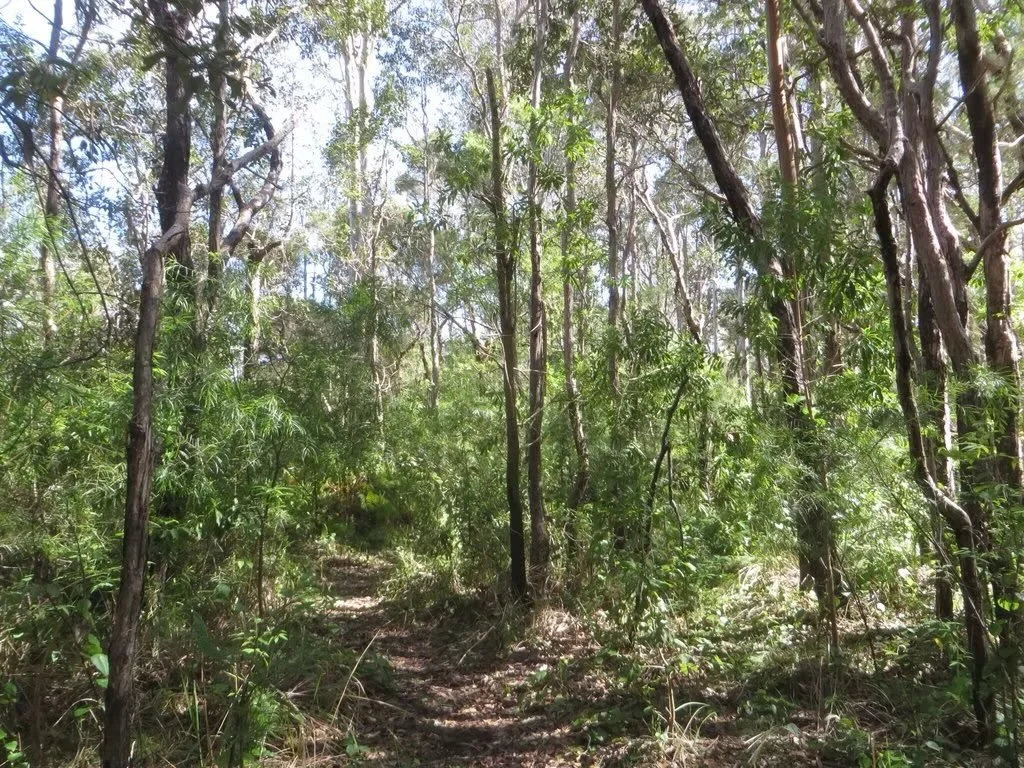
the Young Forest
The young forest is cool. The swamp turpentine and the flooded gums fight for the light forming a protective canopy. The forest ferns love the shade too, flourishing this close to the creek. The path winds through the trees following the creek.
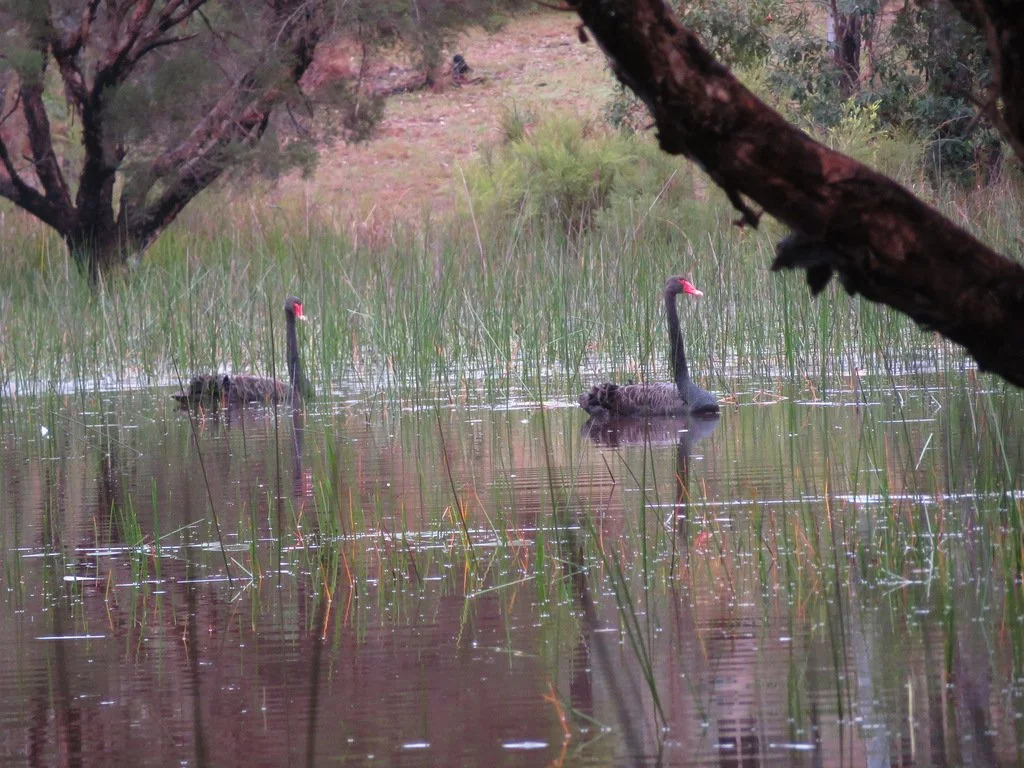
The Shortest Days
Winters on the north coast of NSW are usually beautiful blue sky days and we have already had quite a few of them already.
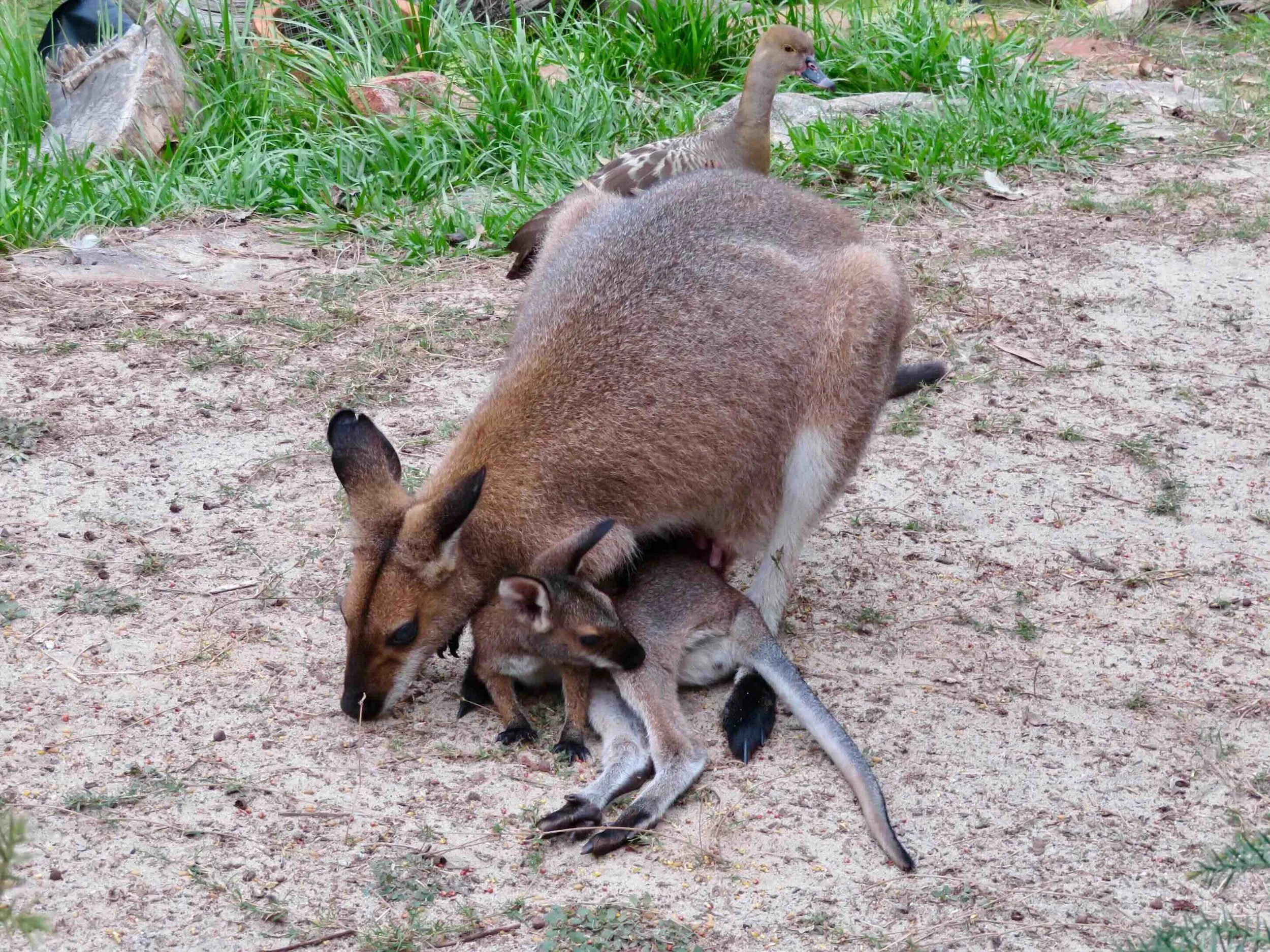
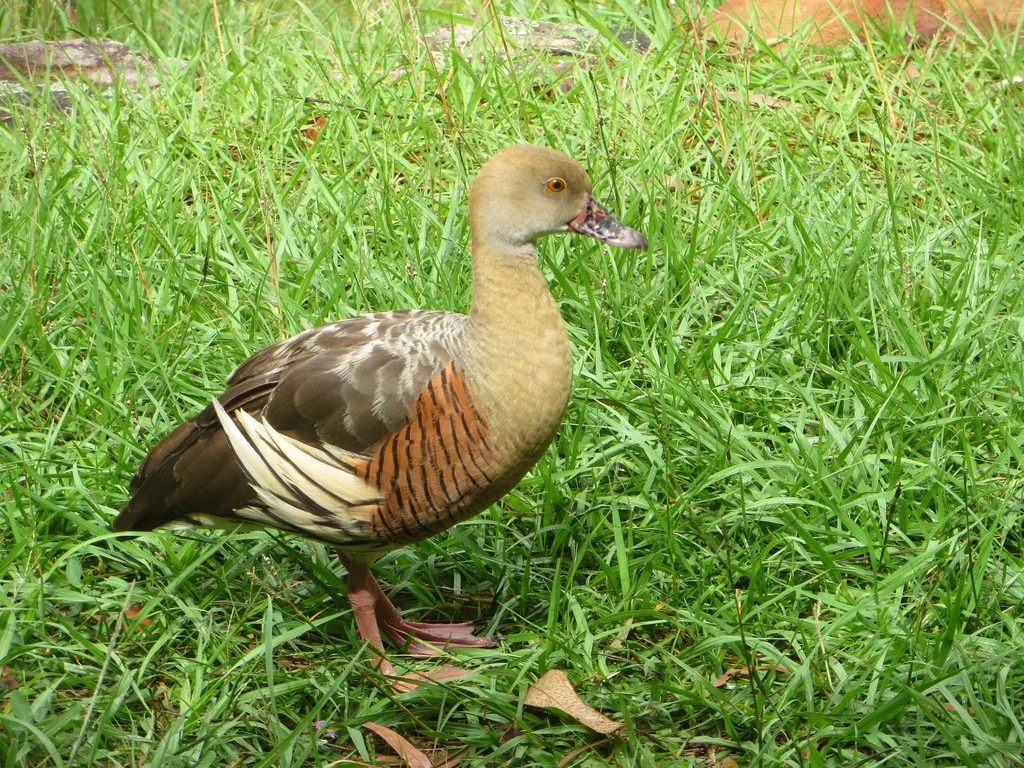
Black swans arrive. Purple swamp hens are mating. Plumed whistling ducks fly in each morning and fly out at night. Red-necked wallaby mother and joey play. Echidnas are found and the beautiful five finger orchids are in bloom.
Goannas
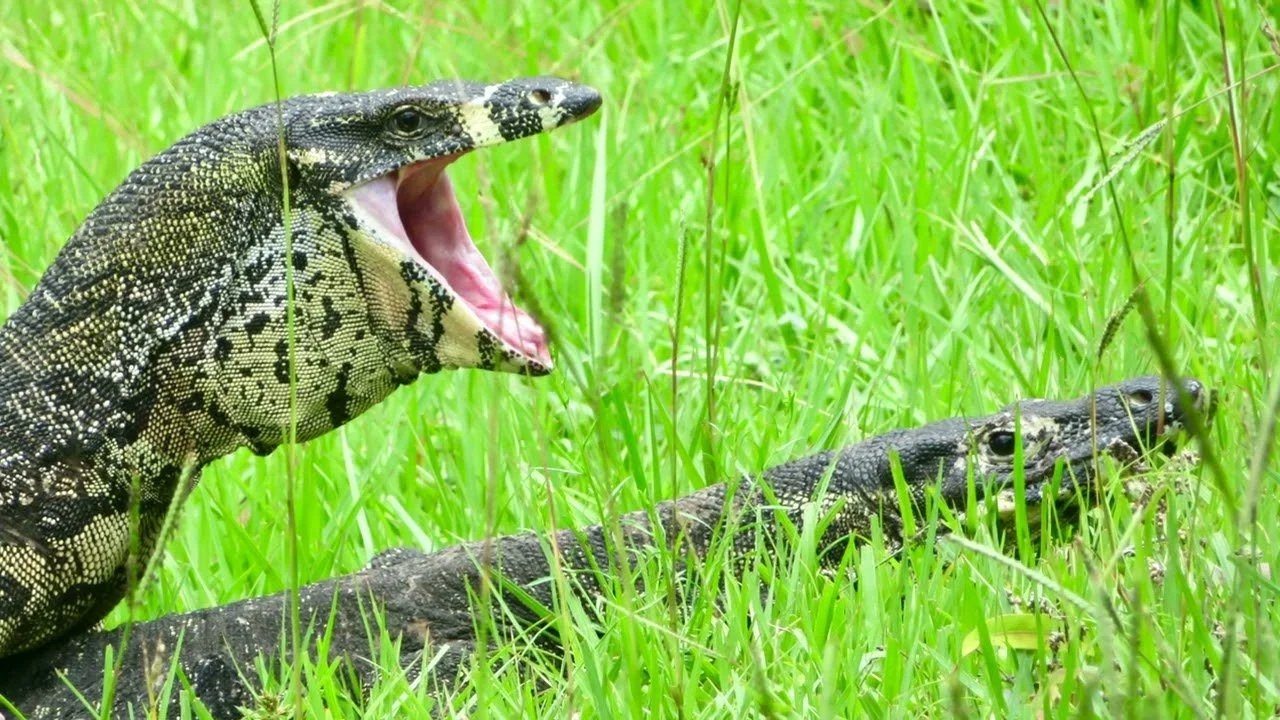
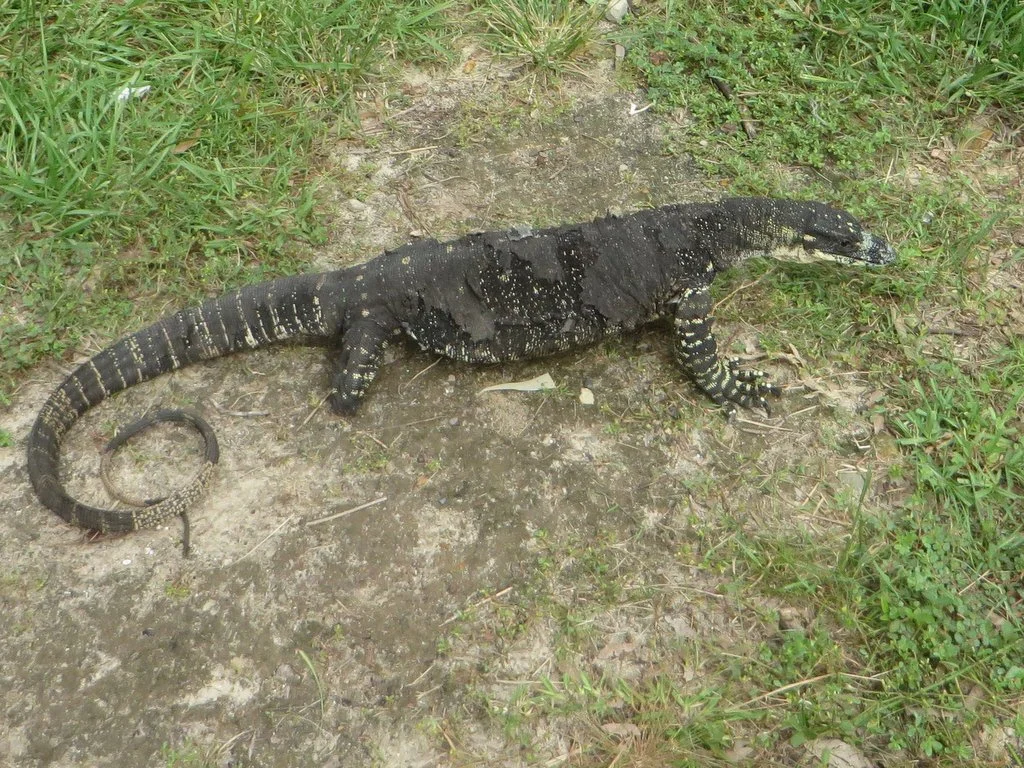
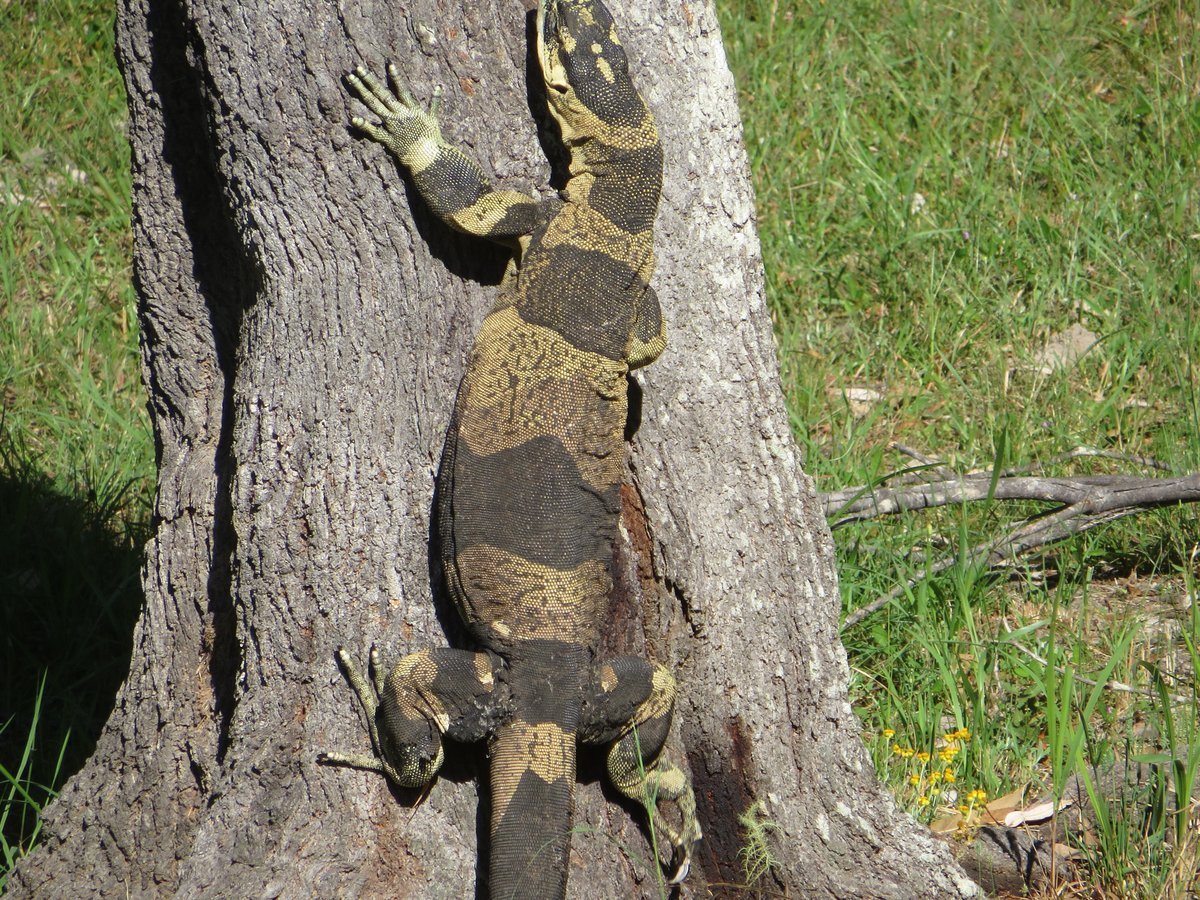
Lace monitors are Australia's second largest goanna. They can grow up to 2m in length so are sizable animals. Lace monitors are fairly common in this region.
There are two colour types of lace monitor, the grey with bands and spots and the Bell's phase with large dramatic bands of yellow and black. Both are from the same species. The Bells Phase is less common in this part of the world.
A Week in the Bush
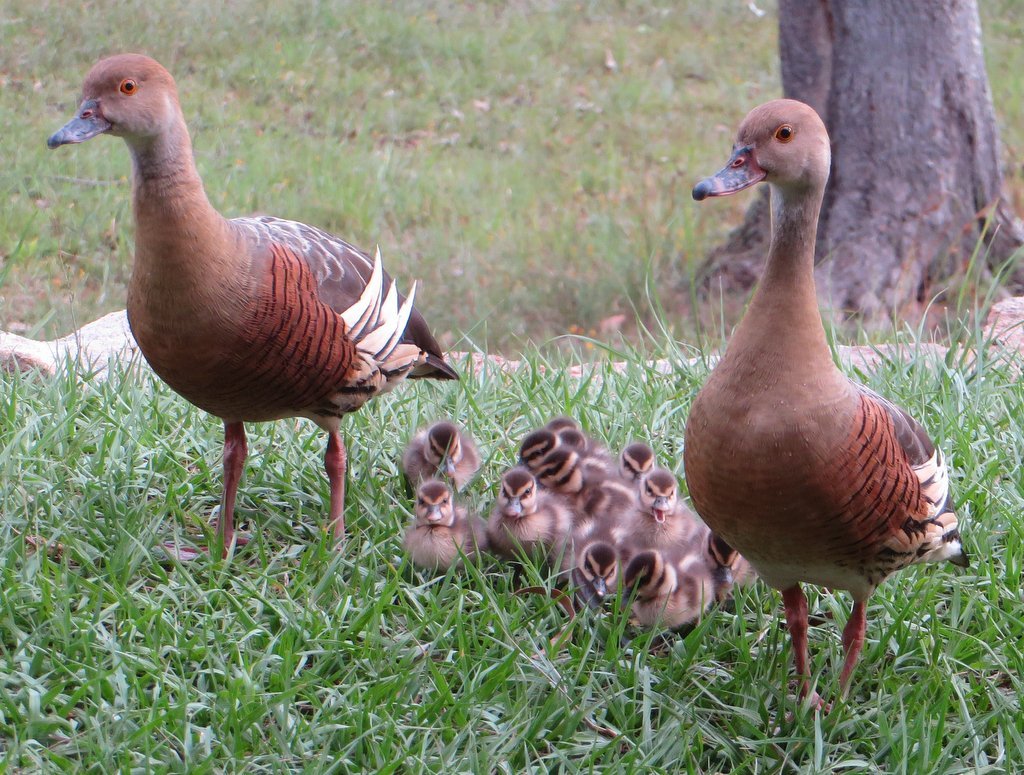
We had a visit from the plumed whistling ducks (dendrocygna eytoni) again but this time two adults we shepherding 13 ducklings. So wonderful. They hung around the pond and gave the little fluff balls their first swim. Later in the day they brought them up onto our front lawn seemingly on display to us.
Check out what the carpet snake has eaten lately. We have other snakes too.